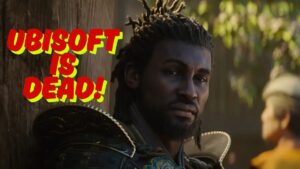
Ubisoft has responded to the online backlash regarding its upcoming game, Assassin’s Creed Shadows. The controversy primarily centres around the depiction of Yasuke, as a “legendary African samurai”, which has drawn wide criticism from various quarters, particularly from Japanese players and cultural critics.
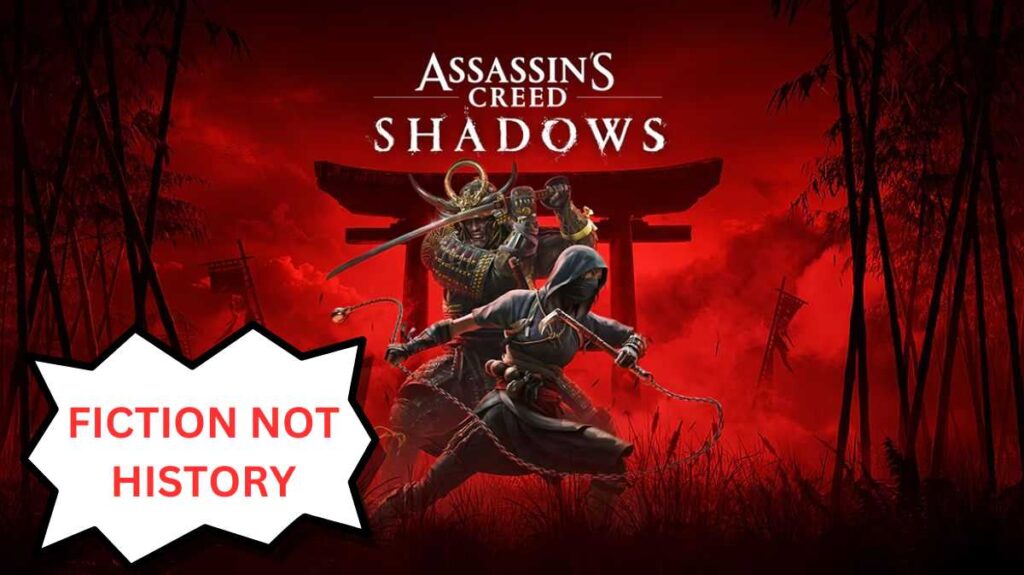
A Message to the Japanese Community: In a detailed statement released on Ubisoft’s official website and X, the Assassin’s Creed Shadows development team expressed gratitude for the long-standing support from the Japanese community and addressed the concerns directly. The team emphasized that their intention has always been to create immersive, historically inspired fiction rather than precise historical recreations. Ubisoft acknowledged the criticism received, particularly concerning historical and cultural accuracy. They apologized for any distress caused by promotional materials and assured us that they are continually working on the game, which is still in development.
Inaccurate Historical Depiction: The portrayal of Yasuke, a real-life figure with a debated history, has been at the heart of the controversy. Ubisoft defended its creative choices by highlighting the collaborative efforts with external consultants, historians, and internal teams at Ubisoft Japan. Despite these efforts, some elements in promotional materials have caused concern within the Japanese community.
In a recent video by AsmongoldTv, he went on to expose some of this madness. Its not new for western production houses to impose their ideologies on Asian game developers and studios. Companies like Sweet baby inc has been notorious in their pursuit to impose their ideologies on every other game.
Response to Broader Cultural Criticism: The backlash extends beyond historical accuracy, touching on broader cultural debates. The game has been criticized by those who oppose unwanted diversity in gaming, with some accusing Ubisoft of sacrificing historical integrity for diversity and inclusion. Ubisoft’s statement addressed these criticisms indirectly, emphasizing that the Assassin’s Creed series has always been about blending historical inspiration with creative storytelling.
Specific Issues Raised: Using a modern-day reenactment group’s logo in promotional materials also sparked controversy. Concept art on Ubisoft’s site showed a flag used by Sekigahara Teppo-tai, an infantryman reenactment group, without their permission. Ubisoft responded by removing the art and apologizing, but the group remained dissatisfied as the flag appeared in the game’s collector’s edition art book.
Moving Forward: Ubisoft has committed to continuing to address constructive criticism and improve the game before its November 15 launch. They also clarified that while they consult with various experts, the final creative decisions rest with Ubisoft’s teams and should not be directed at their collaborators.
Assassin’s Creed Shadows continues to generate discussion and debate, highlighting the challenges of balancing creative storytelling with cultural and historical sensitivity in the gaming industry.